Removals for SW3 townhouses what to know
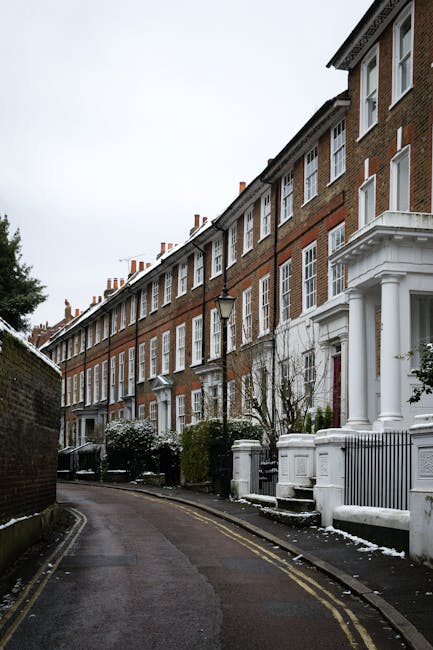
Moving out of a townhouse in SW3 is not quite the same as shifting from a standard flat or a newer-build house. The buildings are often tall, narrow, characterful, and a bit unforgiving when you try to move a sofa around a tight staircase at 8 a.m. If you are planning removals for SW3 townhouses what to know really comes down to this: prepare for access challenges, protect the property, and book a team that understands London moves in lived-in streets, not just on paper.
In Chelsea, the details matter. A front step that looks harmless can slow down a removal trolley. A basement room can add a surprising extra hour. Parking can change the whole day. This guide walks through the practical side of townhouse removals in SW3 so you can plan properly, avoid the usual headaches, and feel more in control from the first box to the last lamp.
Expert summary: The smoothest townhouse move is usually the one that is planned around the property, not just the moving date. Measure bulky items, check access, protect floors and bannisters, and build in a little time buffer. Simple enough. Not always simple in practice, though.
Why Removals for SW3 townhouses what to know Matters
SW3 townhouses tend to have a few things in common: multiple floors, original features, limited turning space, and a lot of fragile surfaces. That combination makes removals more sensitive than people expect. A move here is not only about getting items from A to B. It is about doing it without damaging the property, the furniture, or your energy levels before the day is half over.
What makes this even more important is the way London homes are used. Townhouses in Chelsea often hold large dining tables, bookcases, antique mirrors, pianos, artwork, and built-in pieces that were fitted with care years ago. Those things can move safely, but they need the right planning. If you rush the job, you do not just risk scratches. You risk delays, stress, and avoidable costs.
It also matters because access in SW3 can be awkward in ways that are easy to underestimate. Narrow roads, shared front steps, controlled parking, and tight hallways can all shape the removal plan. A move that looks straightforward when you stand in the front room can feel very different once a wardrobe reaches the landing. Truth be told, most moving problems start with assumptions, not the truck.
If you are also selling the property, timing and presentation become part of the equation. A well-planned move can reduce disruption and help the house stay in decent condition right up to handover. That is why many homeowners use useful local planning content like selling your home in Chelsea alongside their removal checklist, because the two jobs often overlap more than people think.
How Removals for SW3 townhouses what to know Works
Townhouse removals generally follow the same broad structure as any house move, but the order and detail matter more. First comes the survey or pre-move assessment. Then the packing plan, access review, loading strategy, and delivery schedule. The main difference is that each step has to account for stairs, fragile finishes, and the possibility that some items will need to be moved in a specific sequence.
In a typical SW3 townhouse move, the removal team will look at the number of floors, any basement or loft access, door widths, parking arrangements, and what needs dismantling. That assessment helps decide whether a smaller vehicle, a full removal van, or a more flexible service is best. For some homes, a house removals Chelsea service is the neatest fit; for others, especially where access is tighter, a more compact vehicle option can make the day smoother.
The packing stage is often the difference between an easy move and a frustrating one. Sturdy boxes, labelled rooms, and good wrapping materials help a lot, but so does grouping items by floor. If a box belongs in the top bedroom, say so clearly. If a cabinet needs to be dismantled before the sofa moves, decide that before moving day. That sounds obvious. Still, it gets missed surprisingly often.
On the day itself, the team should protect the home first: floor coverings, door guards, corner protection, and a careful route through the property. Then comes the sequence: high-value or awkward items first, then boxed contents, then furniture. In many townhouse moves, the safest route is to remove items from upper floors in a controlled order rather than trying to do everything at once.
For anyone comparing options, it is worth looking at the broader services overview so you can match the service to the property, not just to the number of boxes. That little detail saves stress later.
Key Benefits and Practical Advantages
When townhouse removals are planned properly, the benefits are immediate and fairly obvious.
- Less risk of damage: careful handling protects bannisters, walls, flooring, and furniture finishes.
- Faster move day: organised packing and access planning reduce wasted time.
- Better control over awkward items: large wardrobes, mirrors, and antiques are handled with the right tools.
- Less emotional strain: moving out of a family townhouse can be hectic, so a clear plan helps calm things down a bit.
- Cleaner handover: you are more likely to leave the property presentable and ready for the next occupant.
There is also a practical money side to this. A smooth move often costs less in hidden ways. You may avoid extra labour time, emergency storage, replacement packing materials, and damage repair. It is not always about the headline quote. The real cost is the full day, not just the first invoice.
For some people, the greatest benefit is simply confidence. If you know the route is measured, the furniture list is checked, and the parking plan is sorted, the whole thing feels far less like a gamble. That matters when you are moving from a home that has been lived in for years.
Who This Is For and When It Makes Sense
This topic is most relevant for homeowners, landlords, and tenants moving out of SW3 townhouses, especially in Chelsea where properties often have traditional layouts and narrow access points. If you have more than one floor, valuable furniture, or a moving date that is tied to a sale completion, you are in the group that benefits most from a well-structured removal plan.
It also makes sense if you are moving with children, pets, or elderly family members. In those situations, removing the physical load from the day can be a real relief. You do not want to be juggling school bags, paperwork, and a dismantled bed frame all at once. Nobody needs that kind of chaos before noon.
Townhouse removals are also a good fit for people who want to use a service that handles more than lifting and loading. For example, if you need packing help, furniture protection, or a van service that can work around a slightly complicated address, then a more specialist local option may be better than the cheapest available one. If you are comparing providers, the page on removal companies Chelsea can help you think through that decision in a practical way.
And yes, sometimes a small move still benefits from professional help. If the access is awkward, the furniture is heavy, or the timing is tight, a smaller load can still be the harder job. Funny how that works.
Step-by-Step Guidance
1. Walk the property with a moving eye
Start with a room-by-room inspection. Look at what is staying, what is going, and what might need dismantling. Check stair width, low ceilings, tight corners, and anything that could snag during removal. Take measurements of sofas, beds, wardrobes, and appliances. If an item looks borderline, measure it. Guesswork is a bad moving strategy.
2. Decide what needs special handling
Identify fragile, valuable, or awkward items early. Artwork, glass tables, mirrors, pianos, and antique furniture often need extra wrapping or a dedicated moving approach. If your townhouse includes a piano or upright instrument, it is worth considering a specialist piano removals Chelsea option rather than treating it like ordinary furniture.
3. Build a packing plan by floor
Label boxes by room and floor. For townhouses, this matters more than most people realise. A clear label like "second-floor landing" or "basement utility" saves a huge amount of time when boxes are being taken in and out. Group heavier boxes at the bottom and lighter items on top. Keep documents, chargers, medication, and a kettle kit in a separate essentials bag.
4. Check parking and access early
In Chelsea, parking is often the part that catches people out. A vehicle may need to stop a little way from the property, or the team may need to schedule loading more tightly than expected. If you have a narrow mews-style street, railings, or shared access, make sure the removal company knows that before the day. The article on Sloane Square removals and parking tips for movers is a useful local read if you want to think through access planning in more detail.
5. Protect the property before anything moves
Floor runners, corner guards, and door protection can make a real difference in a townhouse with polished woodwork or older finishes. Many moves are smoother because the team slows down at the start. That first half hour matters. It looks cautious, but it prevents the awkward bits later.
6. Load in a sensible sequence
Start with large furniture and awkward items, then move into boxed contents and lighter household goods. If there are items going into storage, separate them clearly. If you are using temporary storage, keep that part of the move well labelled and documented so nothing gets lost in the middle of the process.
7. Do a final sweep before departure
Once the van is loaded, check cupboards, loft spaces, under beds, and behind doors. Townhouses have a habit of hiding things in plain sight. The spare keys, the last set of curtain ties, the toolbox. They always turn up after you have driven off. Every time.
Expert Tips for Better Results
One of the best things you can do is create a simple inventory before move day. It does not need to be fancy. A note on your phone is fine. Write down the high-value pieces, the items needing assembly, and anything that will go into storage. The point is to avoid decisions on the day when everyone is already busy.
Another good habit is to keep stairwells and landings as clear as possible. In a townhouse, a cluttered landing becomes a bottleneck very quickly. If you have picture frames, baskets, shoe racks, or small bits of furniture blocking the route, move them well before the team arrives.
If you are packing yourself, choose stronger boxes than you think you need. A box that is technically "full" but too heavy to lift is not a success. It is a complaint waiting to happen. Better to use more boxes than to create a stack of overfilled ones that wobble when carried down the stairs.
Where timing is flexible, avoid trying to do the entire move at the last possible moment. A little breathing space helps, especially if you need a second trip, a dismantling delay, or a pause while something awkward is manoeuvred out of an upstairs room. You will notice the whole tone of the day changes when there is no panic in the schedule.
If your move includes high-value furnishings or specialist pieces, consider the broader support offered through furniture removals Chelsea. It is often the best way to handle odd shapes, polished surfaces, and items that should not be shoved under a blanket and hoped for. Hope is not a moving method.
Common Mistakes to Avoid
1. Underestimating access problems. A townhouse can look straightforward from the outside and still be difficult inside. Narrow stairs and awkward bends change the whole job.
2. Leaving packing too late. Last-minute packing almost always leads to broken items, mixed-up rooms, and a tired move day.
3. Forgetting to measure large items. If a wardrobe or sofa has not been checked against doorways, you may face an avoidable delay.
4. Ignoring parking constraints. In SW3, parking can shape the timing as much as the packing does. Do not leave it to chance.
5. Choosing a service only on price. A cheaper quote may look attractive, but if it excludes the support you actually need, the savings disappear fast.
6. Not protecting the house. Floors, banisters, and walls deserve proper protection, especially in older properties with character finishes.
7. Forgetting the essentials bag. Toothbrush, phone charger, tea bags, medications, pet items. The boring things are the ones you miss most.
8. Overfilling boxes. It sounds economical, but it makes lifting slower and more risky.
A small human aside: I have seen people label a box "misc." and then act surprised when nobody can find the coffee machine. A moving day classic, sadly.
Tools, Resources and Recommendations
You do not need a truckload of equipment to move well, but a few things make the day much easier:
- Heavy-duty boxes: for books, kitchenware, and mixed household items.
- Wardrobe cartons: useful for hanging clothes, especially if you want to avoid ironing everything again.
- Bubble wrap and paper: for glass, frames, lamps, and delicate decor.
- Furniture blankets and covers: essential for wooden finishes and upholstered items.
- Labels or marker pens: simple, but they save a lot of time.
- Tape and scissors: always more useful than you think.
For packing support, the page on packing and boxes Chelsea is a practical place to start. It helps if you want a clearer idea of how packing services and materials fit into the move as a whole.
It is also worth reviewing removal services Chelsea so you can see the difference between a basic load-and-carry option and a fuller service with packing, furniture handling, and protection. In real life, the service choice often comes down to how much time and physical effort you want to take on yourself.
If you are comparing movers, use pricing and quotes and competitive prices as part of your decision-making, but not the whole decision. Check what is included, how access is handled, and whether the team understands townhouse properties. That is where the real value sits.
Law, Compliance, Standards and Best Practice
For townhouse removals in SW3, compliance is mostly about doing the basics properly and respecting the property, the road, and the people involved. That includes safe lifting, sensible vehicle loading, appropriate insurance, and careful handling of the home's features. You do not need a legal textbook to get this right, but you do need a professional approach.
Best practice in the removals industry usually means:
- checking access before confirming the job
- protecting floors, walls, and furniture before moving anything
- using safe lifting methods and the right equipment
- keeping goods properly identified and separated where needed
- being clear about liability, insurance, and service scope before the move
It is also sensible to read company policies before booking. For example, this site's insurance and safety information, along with terms and conditions and health and safety policy, can help set expectations around how a professional move should be managed. That transparency matters more than people often realise.
If you are storing items temporarily, ask how they are handled, labelled, and secured. If you are moving valuable items, make sure you understand the level of cover and what exclusions may apply. It is the unglamorous side of moving, yes, but it is the part that protects you when things get complicated.
For people who care about responsible disposal and reduced waste, local moving choices can also align with recycling and sustainability. Reusing packing materials, donating what you no longer need, and avoiding unnecessary waste are all sensible habits during a townhouse move.
Options, Methods and Comparison Table
There is no single right way to move an SW3 townhouse. The best method depends on volume, access, timing, and how much help you want. Here is a simple comparison to make the choice clearer.
| Option | Best for | Pros | Watch-outs |
|---|---|---|---|
| Full house removal service | Larger townhouses, family moves, high furniture volume | More support, better for awkward items, less physical strain | Usually costs more than a basic van-only option |
| Man and van style move | Smaller loads, partial moves, lighter households | Flexible, often quicker to arrange, practical for modest volumes | May not suit heavy furniture or complex access without extra planning |
| Packing-inclusive move | Busy households, time-poor movers, fragile contents | Saves time, reduces packing stress, better for delicate items | Requires advance planning and clearer room-by-room guidance |
| Storage-assisted move | Completion gaps, renovation projects, staged downsizing | Useful when dates do not line up neatly | Needs careful labelling and a good inventory |
If you are uncertain which route fits your townhouse, the comparison usually comes down to this: do you want speed, support, or flexibility? You can have all three to a degree, but not always in equal measure. That is normal, not a problem.
For some moves, a local man with van Chelsea style service is enough. For others, a fuller house removals Chelsea arrangement is safer and less stressful. If you are moving out of a townhouse with a lot of stairs and solid furniture, the latter often wins in practice.
Case Study or Real-World Example
Here is a realistic example based on the kind of move people often make in SW3. A couple living in a three-storey townhouse in Chelsea needed to move to a nearby property after a sale completion. The home had a large sofa, a king-size bed, a dining table, framed artwork, and a few awkward hallway pieces that had lived there for years.
The first issue was access. The front steps were narrow, the stair turns were tight, and the street parking window was limited. They measured the key furniture a week before the move and realised the headboard would need to be taken apart. That alone saved a lot of friction on the day.
They packed by room, kept essentials separate, and protected the stairs and bannisters before loading began. The move itself still took effort, of course. It would have been strange if it didn't. But because the team knew what was coming, the removal stayed controlled and the couple avoided the classic "we'll just wing it" approach that usually backfires by lunchtime.
The most useful part for them was not speed, oddly enough. It was calm. Everything had a place. The furniture went out in the right order. The fragile pieces were handled properly. And by evening, the old house felt empty but not battered. That is a very good outcome in a townhouse move.
Practical Checklist
Use this checklist in the final week before your move:
- Measure large furniture and compare it with doorways, stair turns, and hall widths
- Confirm parking and access arrangements for move day
- Book the removal service and check what is included
- Sort items into keep, donate, recycle, store, and move categories
- Label boxes by room and floor
- Pack an essentials bag for the first 24 hours
- Protect fragile items with proper wrapping materials
- Disassemble furniture that will not fit safely through the route
- Clear landings, steps, and hallways before the team arrives
- Keep keys, documents, and chargers somewhere easy to reach
- Check insurance and safety details before confirming the booking
- Do a final room-by-room sweep before leaving
Quick takeaway: the fewer unknowns you leave for moving day, the easier the whole townhouse move becomes. Not glamorous. Just true.
Conclusion
Removals for SW3 townhouses what to know really comes down to preparation, access planning, and choosing the right level of support. A townhouse move can be very smooth when the route is measured, the packing is organised, and the team knows how to handle stairs, parking, and delicate interiors without drama.
If you treat the move like a property-specific project rather than a standard van job, you will avoid most of the stress that catches people out. That means checking measurements, thinking through the loading sequence, and choosing a mover who understands Chelsea homes rather than just London traffic. Small things, but they add up fast.
And if the day still feels a bit daunting? Fair enough. Most moves do, at least a little. The good news is that with the right plan, even a tall SW3 townhouse can be moved out of cleanly, carefully, and without the whole thing turning into a story you tell for years.
Get a free quote today and see how much you can save.
Frequently Asked Questions
What makes townhouse removals in SW3 different from flat removals?
Townhouses usually have more floors, more stairs, and more furniture to move through tighter internal routes. That means access planning and protection matter more than they often do in a flat move.
How far in advance should I book removals for an SW3 townhouse?
As early as you can, especially if your date is tied to a property completion or school holiday period. More notice usually means more flexibility on timing and service level.
Do I need a full packing service for a townhouse move?
Not always. If you have time and are happy to pack carefully, you may only need moving support. But if the property is large, the contents are fragile, or the schedule is tight, packing help can be worth it.
How do movers handle narrow stairs and tight corners?
They usually plan the route in advance, protect the property, and move larger items in a controlled sequence. In some cases, furniture needs to be dismantled before it can be removed safely.
What should I do about parking on move day?
Confirm the access plan before the booking is finalised. In Chelsea, parking can affect timing and loading, so it is best to discuss it early rather than leave it until the van arrives.
Can I move antique or high-value furniture safely?
Yes, provided it is wrapped, handled, and loaded properly. You should make the removal company aware of any fragile or valuable items in advance so the right precautions can be taken.
Is a man and van service enough for a townhouse?
Sometimes, yes, if the load is small or partial. But for full townhouse contents, heavy furniture, or difficult access, a more comprehensive house removal service is often the better fit.
What items are most likely to cause delays?
Large wardrobes, sofas, glass tables, pianos, and awkward furniture with fixed parts are the usual suspects. Anything that needs dismantling or special handling can slow things down if it is not planned early.
Should I arrange storage during a townhouse move?
Only if your dates do not line up neatly or you are downsizing. Storage can be very useful, but it works best when items are clearly labelled and inventoried before they leave the house.
How can I keep move day stress lower?
Keep the plan simple: pack early, label well, clear access routes, and know what is going in each vehicle load. A small amount of structure makes a big difference.
Are my belongings automatically insured during the move?
Not necessarily in the way people assume. You should always check what cover is included, what the exclusions are, and how the company handles claims or damage concerns.
What should I ask a removal company before booking?
Ask about access handling, packing options, insurance, vehicle size, and whether the quote includes stairs, dismantling, or waiting time. A clear answer upfront saves a lot of awkwardness later.
What is the best first step if I am moving out of an SW3 townhouse soon?
Start with a full walkthrough of the property and a list of bulky items. Once you understand the access points and the largest pieces, the rest of the move becomes much easier to plan.