Sloane Square removals and parking tips for movers
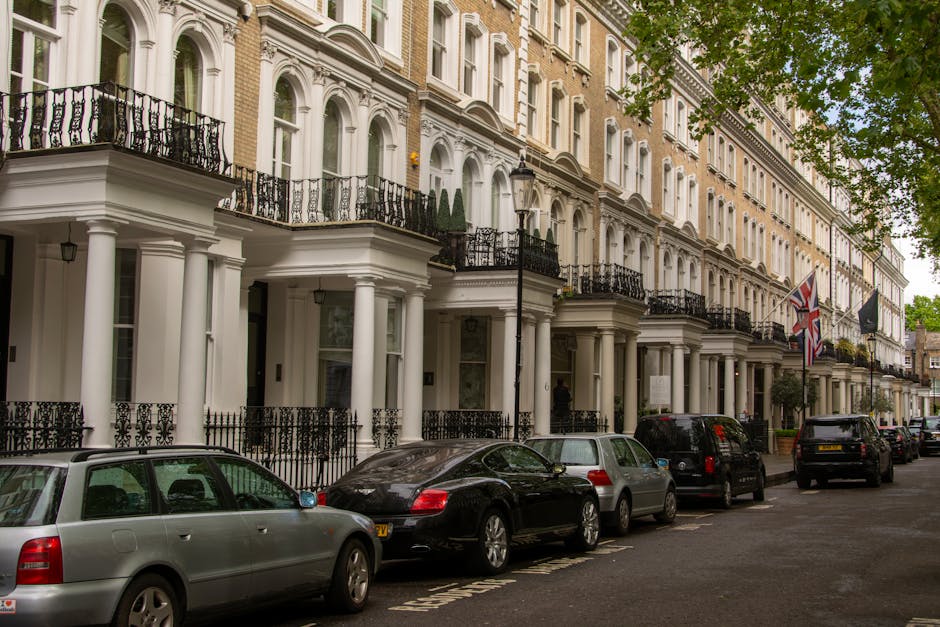
Moving around Sloane Square can feel deceptively simple on a map and then suddenly a bit chaotic on the pavement. Narrow streets, busy traffic, controlled parking, building access, and the usual London dance with loading bays all come into play. If you are planning a home move, an office clear-out, or even a smaller flat relocation, the difference between a smooth day and a stressful one often comes down to parking and timing.
This guide breaks down Sloane Square removals and parking tips for movers in plain English. You will get a practical view of how local access tends to work, what to prepare before moving day, and where people usually trip up. We will also cover useful planning ideas for flats, furniture, same-day changes, and the little details that save time when the van arrives and everybody is already slightly behind schedule. Let's face it, nobody wants to be standing in the road at 8:15 a.m. wondering where the sofa is going to go.
If you are comparing moving help in the wider Chelsea area, it can be worth looking at local removal services in Chelsea and the broader services overview before you lock in a plan.
Why Sloane Square removals and parking tips for movers Matters
Sloane Square sits in one of those parts of London where the environment itself shapes the move. Busy roads, high-value properties, shared entrances, basement flats, limited curb space, and the pressure of keeping neighbours, porters, and building managers happy all matter. A mover who turns up without a parking plan can lose precious minutes circling the block, and those minutes quickly turn into extra labour time, awkward loading, and a lot of unnecessary noise on the street.
Parking matters here because removals are rarely just about lifting boxes. They are about getting the vehicle as close to the property as possible, keeping walk distances short, and making sure items are loaded in a logical order. In an area like Sloane Square, where access can change from one street to the next, that planning is not a nice-to-have. It is the move.
There is also a trust element. If a mover understands local parking realities, they will usually be more confident, more efficient, and less likely to improvise in the middle of the job. That means fewer surprises for you. For homeowners selling or buying in Chelsea, it can help to pair move planning with wider preparation such as reading about selling your home in Chelsea and even practical details from the Chelsea removals guide for Kings Road flats.
Practical takeaway: in Sloane Square, the best removal plan is the one that treats parking, access, and loading order as one single system rather than three separate tasks.
How Sloane Square removals and parking tips for movers Works
A good move in this part of London starts before the van arrives. First, you identify where the vehicle can legally stop, where the crew can safely unload, and how far each item will travel from van to door. Then you match that plan to the type of property. A ground-floor flat with a side entrance is very different from a top-floor apartment with a narrow stairwell and no lift. Sounds obvious, but people still forget it.
Movers typically work through a sequence: arrival, position, brief check of access, protection of flooring and doorframes where needed, then staged unloading. If parking is tight, the crew may need to use a smaller vehicle, split the load, or plan a shuttle-style transfer. That can be perfectly normal in central London, especially around busier squares and mixed residential streets.
The key is to understand what affects the process:
- time of day and street congestion
- loading restrictions or waiting limits
- distance from the van to the entrance
- lift availability and stair width
- building rules for access and delivery
- the size and type of vehicle used
For some jobs, a compact vehicle is far more useful than a large van that cannot park properly. If you are weighing vehicle choice against access, a dedicated man with van Chelsea service may be a practical fit, while heavier or more complex jobs may suit a fuller removal van option. Not every move needs the biggest truck on the road. In fact, sometimes that is the worst choice.
Key Benefits and Practical Advantages
Good parking planning gives you more than convenience. It gives you control. And in removals, control is everything.
1. Less wasted time
When the van is parked close to the property, loading and unloading are faster. That can reduce stress and keep the day on schedule.
2. Lower risk of damage
Shorter carrying distances mean fewer chances for bumps on stair edges, scrapes on walls, or dropped items on the pavement. A sofa carried fifty metres is simply at more risk than one carried ten.
3. Better crew efficiency
Movers can organise items by size and fragility more effectively when the vehicle is positioned well. It sounds small, but logistics make a big difference.
4. Fewer neighbour complaints
A tidy, well-timed move is less disruptive. That matters in apartment buildings and townhouse streets where people notice noise and obstruction very quickly.
5. More accurate pricing
When access is clear and the parking plan is realistic, quotes tend to be more reliable. For many people, that is one of the biggest advantages of choosing a team that knows the local area and offers competitive prices.
It is also worth noting that some moves benefit from related services. If you are clearing a flat, flat removals in Chelsea can be a better fit than a generic household move. If you are moving office items, the planning changes again; the rhythm is different, the furniture is bulkier, and there is less room for guesswork.
Who This Is For and When It Makes Sense
This topic is most useful for anyone moving in or around Sloane Square who needs a realistic parking plan. That includes homeowners, tenants, landlords, and businesses. It also matters if your move is not huge, because smaller moves can still go sideways if the vehicle cannot park legally or safely.
You will especially benefit from these tips if you are:
- moving from a flat with tight stair access
- leaving a townhouse on a busy side street
- coordinating with a porter or building manager
- using a smaller van for a single-day move
- trying to reduce the cost of labour time
- booking a last-minute or same-day relocation
If you are a student or moving on a tighter budget, access planning becomes even more valuable because every delay matters. In that case, it may be useful to review student removals in Chelsea and the company's wider pricing and quotes information before choosing a service.
And yes, if you are moving a piano or a piece of furniture that looks innocent until you try to carry it down a staircase, you should treat parking and route planning as a serious part of the job. A piano does not care that the street is narrow. It will still be a piano.
Step-by-Step Guidance
Here is a practical way to plan a Sloane Square move without overcomplicating it.
- Check access first. Walk the route from the building entrance to the nearest sensible stopping point. Notice kerbs, bollards, corners, one-way streets, and anything that might make loading awkward.
- Measure the big items. Sofas, wardrobes, desks, bed frames, and appliances should be measured before moving day. If something is oversized, the parking strategy needs to support a smoother carry.
- Choose the right vehicle. A small van may be easier to park than a larger truck, especially in central London. If the job is complex, a dedicated man and van Chelsea arrangement can be more nimble than a full-size setup.
- Decide on the moving window. Early starts often work best. Midday traffic can make a short journey annoyingly long. To be fair, London has a habit of doing that.
- Prepare for staged loading. Put essentials near the exit, pack fragile items separately, and keep a clear corridor to the door.
- Confirm building rules. Some blocks need advance notice for lifts, delivery times, or protective measures. Check these before the day, not during it.
- Keep a backup plan. If the nearest space is blocked, decide in advance where the van can wait briefly without causing a problem.
When moves involve furniture, make sure the route can handle the dimensions. If you are relocating larger pieces, furniture removals Chelsea is the kind of service that benefits from planning the vehicle position around the heaviest items first, not last.
Expert Tips for Better Results
After enough removals in central London, you start to see the same patterns. The smoothest jobs usually have a few simple things in common.
Book the parking plan as early as you book the move. If your mover knows the building type and road layout in advance, they can choose the right vehicle and crew size. No drama later.
Pack the vehicle by exit order, not by room order. It helps to load items that will come off first near the back or in the most accessible part of the van. Saves time and a lot of muttering.
Use colour tags or simple room labels. When you are juggling flats, stairs, and a narrow parking window, clear labels stop the crew from asking the same question five times.
Protect the route. Door protectors, floor coverings, and simple wrap for corners can prevent avoidable scuffs. Even a tiny hallway can matter when you are carrying something bulky.
Build in a buffer. If you think loading will take two hours, allow a bit more. Moving day has a way of revealing the one box you forgot, the one drawer that still has stuff in it, and the one cable that nobody wants to own.
Communicate the awkward bits. If there is a steep stair, a tricky gate, or a space that fits only with mirrors folded in, say so early. That little bit of honesty helps enormously.
For more reassurance on planning and handling, the company's insurance and safety information and health and safety policy are worth reading before a complicated move.
Common Mistakes to Avoid
Most moving problems around Sloane Square are not mysterious. They are predictable. That is actually good news, because predictable problems can be prevented.
- Assuming parking will work itself out. It rarely does. Never rely on luck in central London.
- Booking a van that is too large. Bigger is not always better if the vehicle cannot stop close enough to the property.
- Ignoring building access rules. A lift booking or porter notice can save the entire day.
- Leaving loose items for the last minute. Small boxes, lamps, chargers, and kitchen bits are the things that create delays.
- Forgetting to tell movers about awkward items. That one heavy cabinet you mention after arrival? That is the kind of surprise nobody enjoys.
- Not checking departure and arrival streets separately. You may be able to load easily at one end and struggle at the other. Different streets, different problem.
If you are comparing providers, it may help to look at how they describe their approach to different move types through removal services Chelsea and broader options such as removal companies Chelsea. The right fit is not always the flashiest one. Sometimes it is just the team that asks the right questions.
Tools, Resources and Recommendations
You do not need a mountain of equipment to move well, but a few practical tools make the process much easier.
- Measuring tape: useful for large furniture, doorways, and stair turns.
- Labels and marker pens: for room-by-room packing and fragile item notes.
- Blankets and wraps: for protecting furniture and door edges during the carry.
- Gloves with grip: not glamorous, but very helpful.
- Parking notes: a simple written plan for where the vehicle can stop and when.
- Inventory list: especially useful if some items are going into storage.
If your move needs temporary space, it can make sense to consider storage options as part of the plan, although you should keep in mind that the URL structure shown here is not something to guess at. In practice, you would only use the exact approved page that applies to the area you need.
For packing support, packing and boxes Chelsea is a useful complement to parking planning because good packing makes loading faster, which in turn reduces the time the van needs to stay put.
If you are after a broader picture of the company and how it works, the about us page and services overview can help you decide whether the service style suits your move.
Law, Compliance, Standards, or Best Practice
When parking is involved, best practice is not just about convenience. It is about keeping the move safe and lawful. Central London streets often have restrictions, time windows, and loading expectations that need to be respected. The exact rules can vary by street, time of day, and the type of bay available, so movers should always verify access in advance rather than making assumptions.
From a practical standpoint, good compliance means:
- not blocking entrances or emergency access
- keeping vehicles positioned safely and legally
- avoiding unnecessary idling or obstruction
- following building instructions for access and protection
- handling items in line with standard moving safety practices
There is also a service-quality standard that matters, even if it is not written on a signpost. Professional movers should give clear expectations, sensible timings, and transparent handling of risk. If something is uncertain, they should say so. That kind of honesty tends to save everyone time, especially in tightly managed streets around Sloane Square.
For business users, it can also be sensible to review operational pages such as office removals Chelsea and payment-related information like payment and security so there are no surprises in admin as well as logistics.
Options, Methods, or Comparison Table
There is no single correct moving method for Sloane Square. The right option depends on property type, item volume, parking availability, and how much help you want on the day.
| Method | Best for | Strengths | Potential limitation |
|---|---|---|---|
| Man and van | Smaller flat moves, quick collections, lighter loads | Easier to park, flexible, often efficient | May be less suitable for large household moves |
| Full removals team | Larger homes, multi-room moves, heavy furniture | More manpower, better for bulky items | Requires more parking and access planning |
| Same-day removals | Short-notice changes, fast turnarounds | Good for urgent situations | Tighter availability, less time for detailed preparation |
| Storage-assisted move | Staged moves or temporary overflow | Reduces pressure on moving day | Needs extra coordination |
If your move is urgent, a same-day removals Chelsea option may be useful. If you are moving from a flat with tricky access, flat removals Chelsea can be the better route because it reflects the realities of stairs, entrances, and parking close to apartment buildings.
Case Study or Real-World Example
Picture a typical Sloane Square move: a one-bedroom flat, a few heavy boxes, a bed frame, a small dining table, and a narrow street where parking is available only briefly. Nothing outrageous. But enough to make things messy if nobody prepares.
In a well-planned version of that move, the client shares building access details in advance, the movers arrive with a van sized for the street rather than for fantasy, and the loading point is confirmed before anyone starts carrying. The largest furniture leaves first. Fragile boxes are loaded last so they sit safely on top. The team keeps the entrance clear, protects the floor near the doorway, and finishes without the constant stop-start rhythm that usually drains the day.
In the messy version, the van has to wait farther away, the crew has to double back for items, and one awkward wardrobe turns into a small headache because nobody checked the stair turn beforehand. No catastrophe, just friction. That friction is what costs time and patience.
There is a quiet lesson in that. Better parking planning does not just help the van. It helps the whole atmosphere of the move. You notice it in the tempo of the day, in the way the crew talks to each other, and in how quickly the last box gets through the door. Small thing, big difference.
Practical Checklist
Use this before move day. It is simple, but it works.
- Confirm the move date, arrival time, and building access details
- Check where the vehicle can legally stop
- Ask whether a smaller van would be better for the street
- Measure the largest furniture and appliances
- Book lift access or porter support if needed
- Label boxes by room and priority
- Set aside essentials for quick access
- Tell the movers about awkward stairs, entrances, or tight corners
- Protect fragile items and wrap furniture properly
- Prepare a backup parking position in case the first space is taken
- Keep keys, documents, and payment details in one easy-to-reach place
- Build in a little extra time. Just in case, because London.
If you want a move plan that feels organised rather than improvised, it helps to look at the company's wider approach to man with a van Chelsea, man with a van Chelsea, and man and van Chelsea style support. Those pages can help you decide what level of service matches the street, the property, and the amount of stuff you have.
Conclusion
Sloane Square removals do not have to be difficult, but they do need forethought. Parking is not a side issue here; it is central to how the day flows. If you choose the right vehicle, understand access before the crew arrives, and keep the moving plan realistic, you give yourself a far better chance of a calm, efficient job.
The best moves in this area usually feel almost boring on the day. And honestly, that is a compliment. No scramble, no blocked entrance, no last-minute van drama. Just a clear plan, a sensible parking setup, and steady progress from first box to final key handover.
Get a free quote today and see how much you can save.
One final thought: good moving days are built quietly, long before the wheels roll up to the kerb. Get that part right, and the rest tends to fall into place.
Frequently Asked Questions
What makes Sloane Square removals different from other parts of Chelsea?
The main difference is access. Sloane Square is busier, more tightly parked, and more sensitive to vehicle positioning than many suburban areas. That affects timing, loading, and the choice of van.
Do movers need to book parking in advance for Sloane Square?
In many cases, yes, or at least they should plan the parking carefully before move day. Whether formal booking is needed depends on the exact street and the type of parking space available.
Is a man and van service enough for a flat move near Sloane Square?
Often it is, especially for smaller flats or lighter moves. If access is tight and the load is manageable, a more compact vehicle can actually be the smarter choice.
What time of day is best for moving in this area?
Early starts are usually more practical because roads tend to be less congested and parking is often easier to manage. Midday can be slower and more frustrating.
How can I avoid delays when the van arrives?
Have boxes packed, access confirmed, keys ready, and the vehicle stopping point agreed in advance. Small preparation steps make a surprisingly big difference.
What should I tell the removal company before the move?
Tell them about stairs, lifts, narrow entrances, parking limits, fragile items, and any large furniture that may need special handling. The more accurate the information, the better the plan.
Are parking problems likely to increase moving costs?
They can, because delays usually mean more time on site. If the mover has to park farther away or wait for access, the job may take longer than expected.
Should I choose a larger van to save time?
Not always. A larger van is only helpful if it can park safely and legally near the property. In central London, a smaller van can sometimes be the better, faster option.
Can packing properly really affect parking and loading?
Yes. Well-packed boxes and organised furniture make loading faster, which reduces the time the van needs to stay in position. That helps on streets where parking is limited.
What is the biggest mistake people make with removals near Sloane Square?
Probably assuming parking will be easy on the day. It is far better to plan for tight access and be pleasantly surprised than to hope for the best and end up stressed on the pavement.
Are there services for larger or more complex moves?
Yes. For heavier household moves, more hands may be needed. For business relocations, office support can be more appropriate. The right service depends on the scale and the building access.
How do I know whether storage is worth considering?
If your moving dates do not align, or you have items that do not need to be delivered immediately, storage can reduce pressure and make parking and loading easier on the main day.
Where should I start if I am planning a move in Sloane Square?
Start with access. Then decide on the vehicle, timing, packing order, and any building rules. Once those are clear, the rest of the move becomes much easier to manage.